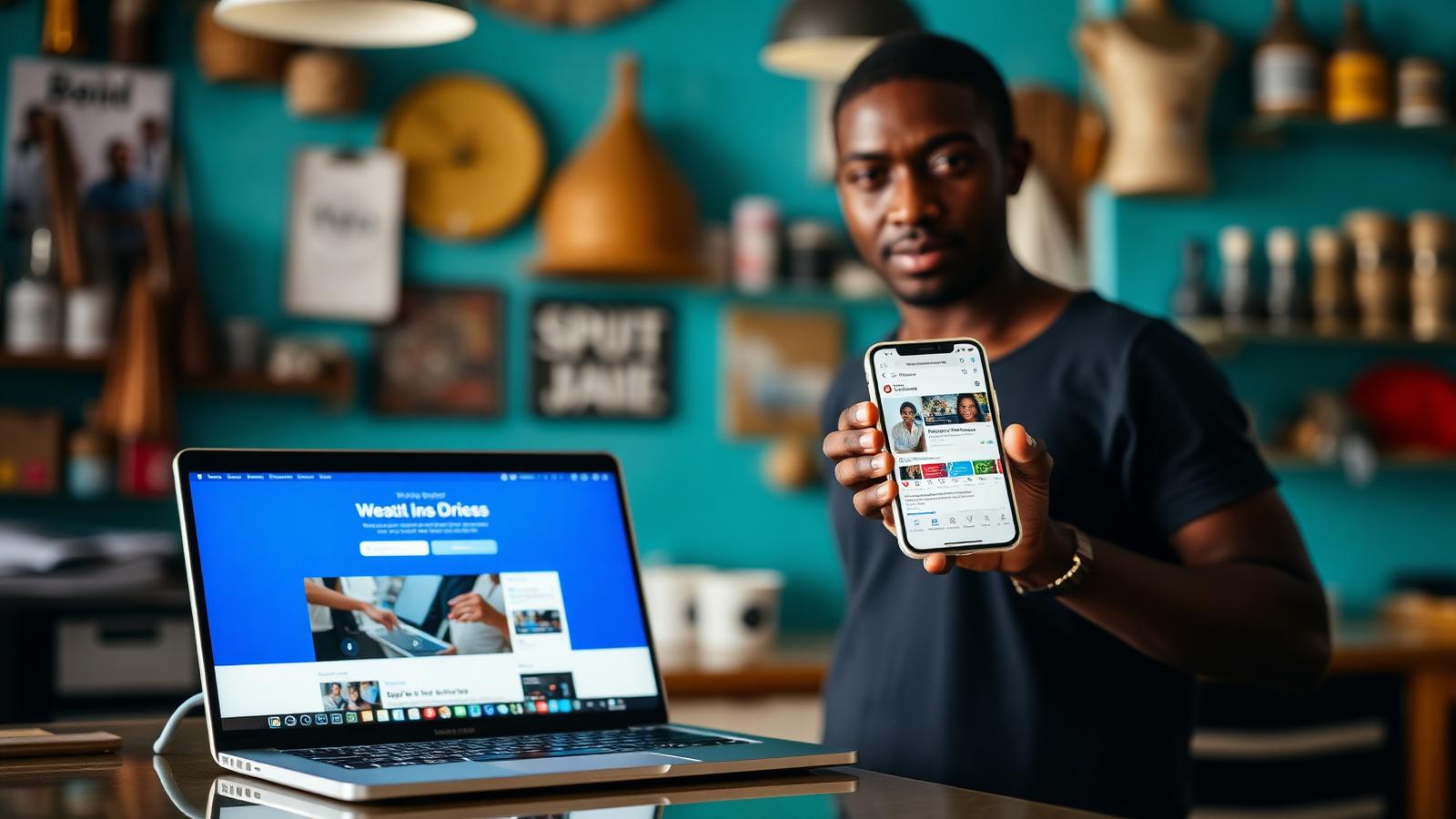
Your business may already have Facebook, Instagram, TikTok, WhatsApp and LinkedIn. And that’s great. Social media is incredibly valuable for reaching people, building awareness and creating conversations.
But if your social media disappeared tomorrow, where would your customers find you?
Your social media presence is valuable. It should just not be the entire foundation of your digital business.
Social media is where people discover you. Your website is where they get to know you.
Someone sees your business on Instagram. They like the post. Maybe they share it. But eventually they want to know more.
- What exactly do they offer?
- How much does it cost?
- Where are they located?
- What are their other products?
- Can I book? Can I order?
- Who are they — are they legitimate?
- What do other customers say?
- How can I contact them?
Instead of forcing customers to scroll through years of posts to understand your business, give them one professional destination.
Social media is built for scrolling. Your website is built around your business.
Social platforms are designed to keep people moving — one post, then an advert, then another business, then something unrelated. Your business competes for attention every second. On your website, you control the environment.
- Structure
- Navigation
- Content
- Branding
- Customer journey
- Calls to action
- Products and services
- Information and experience
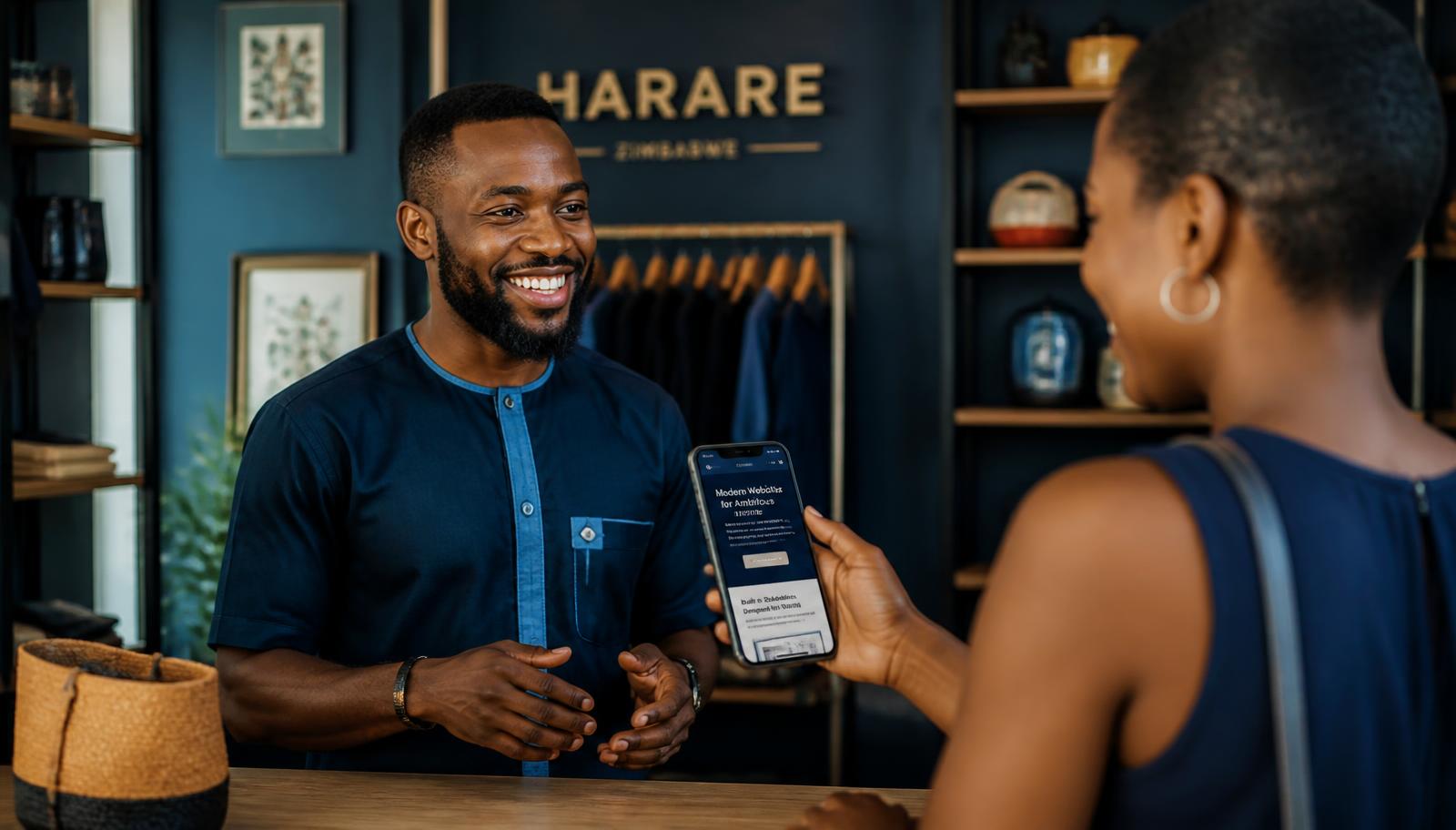
Your website is your digital front door
- A clean entrance
- Clear signage
- Helpful staff
- Well-organised products
- Clear information
- A simple way to buy
- Homepage as the entrance
- Navigation as the signposts
- Service pages as departments
- Catalogue as the showroom
- Contact page as reception
- Checkout as the till
Your booking system becomes your appointment desk. Your customer portal becomes your private customer area. Your website becomes an entire digital branch of your business.
Social media has limitations
This doesn’t mean social media is bad — quite the opposite. But you don’t control the platform.
- The interface
- The algorithm
- The feed
- The rules
- The advertising environment
- How content is distributed
- How information is displayed
Social media is a channel. Your website is an asset.

Your website can organise your entire business online
- About — your story, mission and team
- Services — everything you offer
- Products — your full catalogue
- Portfolio — your previous work
- Testimonials — what customers say
- Blog — your knowledge and expertise
- Location — exactly where you are
- Contact — phone, email and WhatsApp
- Booking — schedule an appointment
- Ordering — purchase products or food
- Registration — apply or register
- Customer account — personalised services
Turning social media attention into business
- Instagram post
- Customer clicks link
- Website
- Customer learns about the product
- Confidence builds
- Customer orders
That is much more powerful than a post that simply says “DM us for details.” The website provides the information immediately — and the customer can still reach you on WhatsApp when they need help.
Imagine this for a restaurant
- Menu and food photography
- Prices and specials
- Location and opening hours
- Reviews
- Table reservations
- Online ordering and delivery
The customer doesn’t have to ask ten questions. They can simply take action.
Imagine this for a school
- Online application
- Account creation
- Document upload
- Application submitted
Now the website is helping the school operate. It is no longer simply advertising the school.
Imagine this for a retail business
- Browse products
- Search and filter
- Compare
- Add to cart
- Create an account
- Checkout
- Select delivery
- Receive confirmation
- Track the order
The social post created attention. The website turned that attention into a transaction.
Imagine this for a professional services business
- Your experience
- Services
- Industries
- Case studies
- Testimonials
- Team
- Insights
- Contact information
Then: book a consultation. The entire customer journey becomes more professional.
A website also helps you look more established
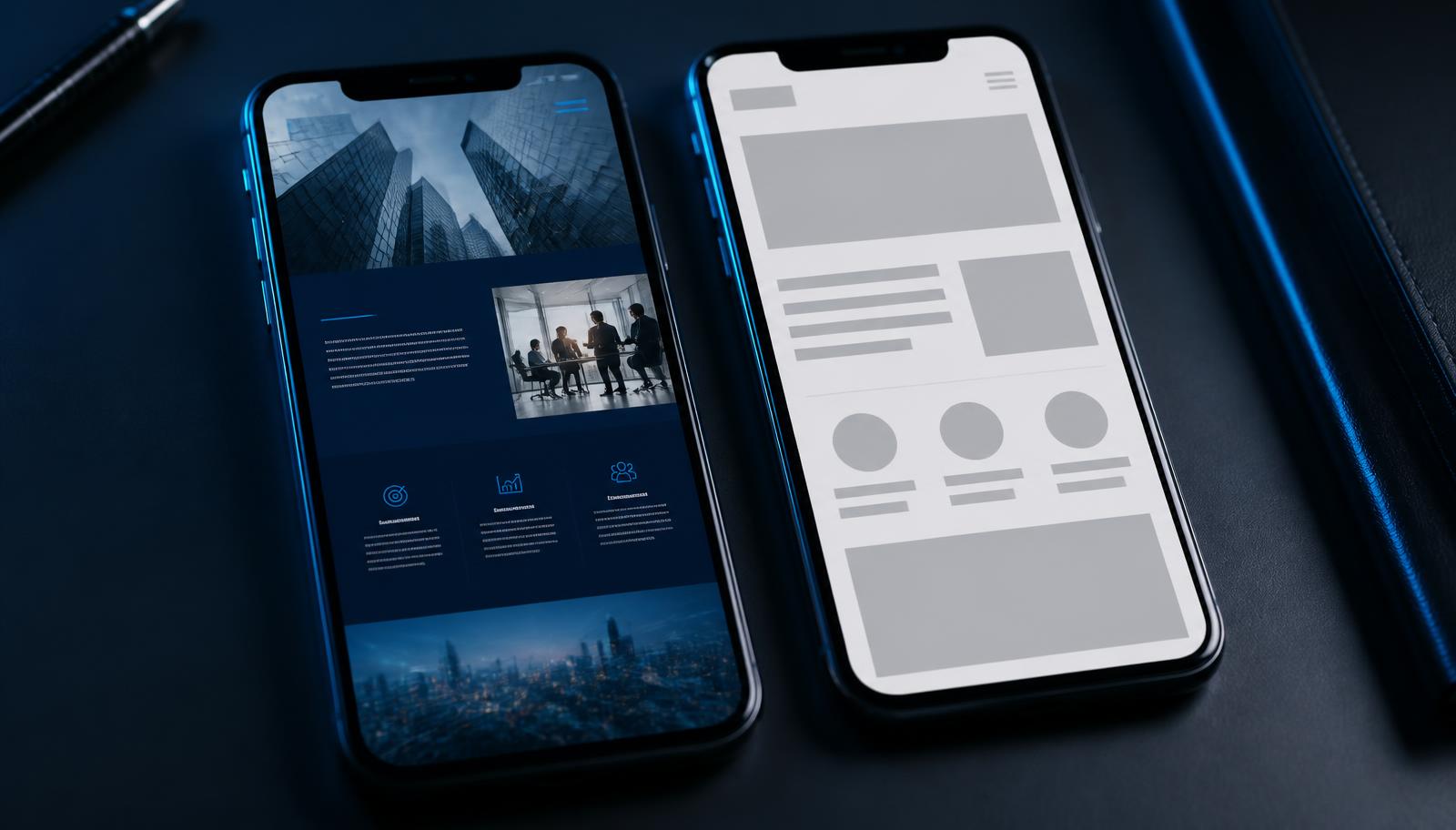
People make judgments. A professional website with clear branding, real photography, well-written information, proper contact details, testimonials and useful content creates a different impression from a social profile alone.
- Customers
- Suppliers
- Partners
- Investors
- Employees
- Potential clients
Your social media shows people what you are doing today. Your website tells them who you are, what you stand for and where you are going.
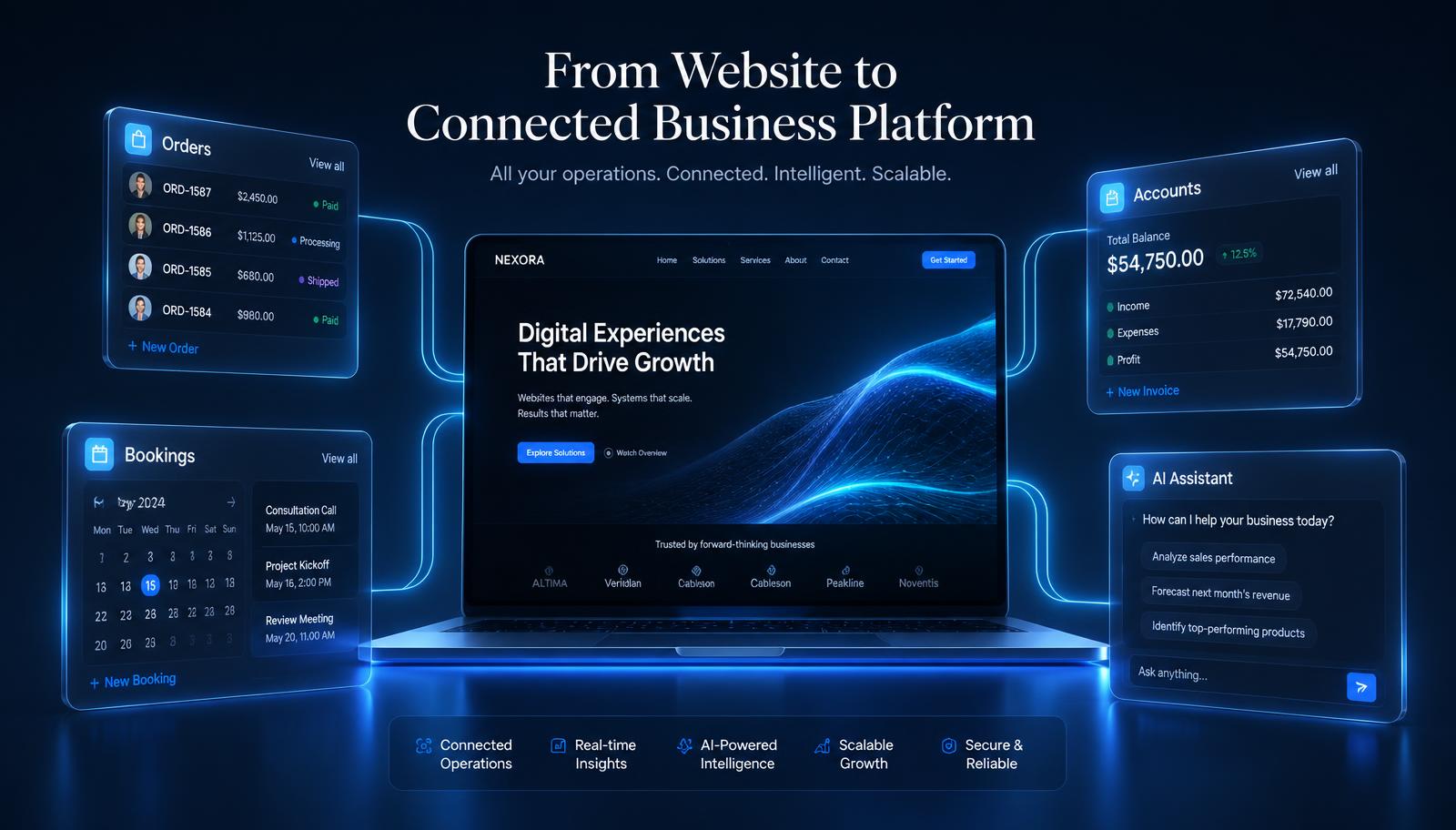
And here is where it gets more interesting
- Website
- CRM
- Sales team
- Customer
- Online order
- Inventory
- Business system
- Notification
- Customer enquiry
- AI assistant
- CRM
- Sales follow-up
Now your website isn’t simply displaying information. It is connecting people, information and business processes.
Social media + website + AI + automation
- Customer sees your advert
- They visit your website
- AI answers their questions
- They request a quotation
- Information enters your system
- Your team is notified
- Follow-up is triggered
- The lead becomes a customer
So should you stop using social media?
Absolutely not. Use it. Grow it. Create content. Run campaigns. Build your community. Just don’t make your entire digital strategy dependent on one platform.
- Social media creates attention
- Website creates understanding and trust
- Conversion creates enquiries and sales
- CRM organises customer information
- Automation reduces repetitive work
- AI adds intelligence
- Analytics shows what is working
Your business deserves a digital home
Social media is where people discover you. Google is where they search for you. WhatsApp is where they talk to you. Your website is where everything comes together — your story, products, services, customers, brand, bookings, orders, registrations, systems and future.
Don’t build your entire business on someone else’s platform.
It makes your social media more powerful. Use social to get attention. Use your website to give that attention somewhere to go.
Ready to build your digital ecosystem?
Vision AI & Technology Systems — we don’t just digitize businesses. We re-imagine them.