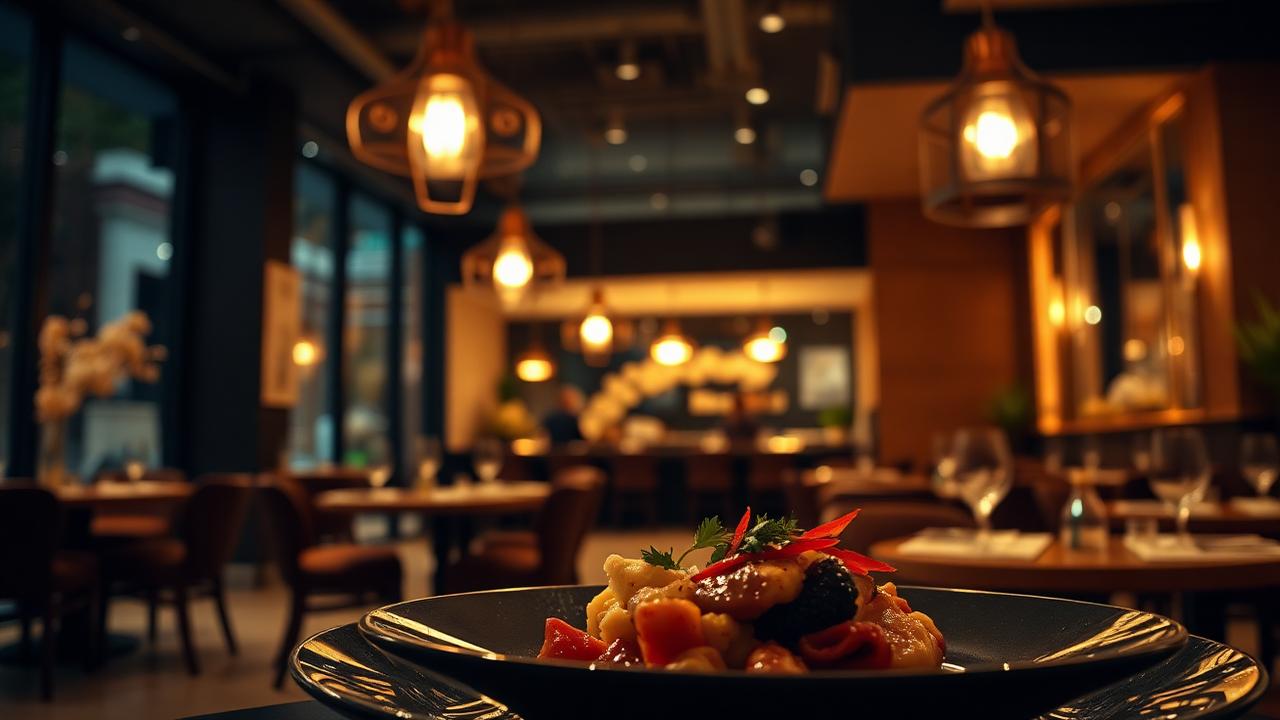
Imagine you own an incredible restaurant. The food is exceptional. The atmosphere is beautiful. Your chefs are talented. Your staff provide excellent service. Customers love coming back. But then someone searches for your restaurant online. What do they find?
- An outdated website
- A blurry menu uploaded as a PDF
- Old food photographs
- Incorrect opening hours
- No online ordering
- No table reservations
- No clear location information
- No easy way to contact you
Now imagine another restaurant. Before the customer even walks through the door they can explore the atmosphere, watch cinematic visuals, discover the story behind the restaurant, browse an elegant interactive menu, reserve a table, order food online, view special events, buy gift cards, join a loyalty programme and find the location instantly.
Which restaurant already feels more prepared? More premium? Easier to visit? That is the difference between having a restaurant website and building a complete digital restaurant experience.
If your ambition is to become one of the best restaurants in your city, your website should not be an afterthought. It should be part of the experience.
Your website is the first table your customer sits at
Before a customer walks through your door, smells the food, meets your staff or tastes your signature dish, they may visit your website. It sets expectations. It creates anticipation. It communicates your identity. It can make someone think: I need to try this place. Or unfortunately: maybe somewhere else.
Ordinary restaurants think about what happens when the customer arrives. Great ones think about what happens before they arrive.
1. A cinematic, unforgettable homepage
The homepage should not feel like a digital brochure. It should feel like entering the restaurant: a full-screen film of food being prepared, steam rising from a signature dish, a bartender at work, the interior glowing at night, a chef finishing a plate.
The homepage should immediately answer what type of restaurant this is, what makes it special, what experience to expect — and most importantly, what the visitor can do next.
- Explore the menu
- Book a table
- Order online
- Discover our story
2. A digital menu that makes people hungry
No more badly scanned menus. No more PDFs customers have to zoom into on their phones. A world-class restaurant website should have a beautiful, interactive digital menu across starters, mains, grills, seafood, desserts, cocktails, wines and beverages.
- Beautiful photography for each dish
- Description, price and ingredients
- Dietary information and allergens
- Vegetarian, vegan and spicy indicators
- Chef recommendations and popular dishes
- Live availability
Then let customers filter by vegetarian, vegan, gluten-free, spicy, chef's special or most popular. That is not just convenient — it improves the experience before they arrive.
3. Food photography and visual storytelling
Restaurants sell more than food. They sell desire, experience, atmosphere, celebration, comfort and discovery. Show your dishes at their best, show the environment, introduce the chefs, film the preparation and service.
The goal is simple: make people imagine themselves there.
4. Online table reservations
Customers should not always have to call. A modern reservation system lets them choose a date and time, select guests, add special requests, note dietary requirements and choose a seating preference such as indoor, outdoor, private dining or a window table.
- Customer visits website
- Selects date
- Selects time
- Chooses number of guests
- Books table
- Receives confirmation
- Receives reminder
The restaurant manages available tables, booking times, capacity, confirmations, cancellations and reminders. Convenience becomes a competitive advantage.
5. Online food ordering
- Browse the menu
- Select items
- Customise the order
- Add special instructions
- Choose delivery or collection
- Enter details
- Pay where available
- Receive confirmation
- Shopping cart and item customisation
- Add-ons and portion selection
- Delivery zones and fees
- Estimated preparation time
- Order tracking and previous orders
- Customer accounts
Your restaurant should not have to depend entirely on third-party platforms. A powerful website can become your own digital ordering channel.
6. WhatsApp integration
In markets where WhatsApp is widely used, customers may prefer it for enquiries, quick orders, booking assistance, event questions, support and catering. Integration should go beyond a floating button: a customer browsing the menu clicks Order via WhatsApp and the message already carries the context.
Keep the convenience customers love. Improve the experience behind it.
7. An online experience that makes customers want to visit
A world-class restaurant website should create anticipation and answer one question: what will it feel like to be there? An immersive gallery can show the interior, outdoor spaces, signature dishes, private dining areas, events, the bar, live entertainment and behind-the-scenes moments. A premium restaurant could even offer a virtual tour.
The goal is to transform Should we go there? into When are we going?
8. A restaurant story worth discovering
Every great restaurant has a story: a family founding, a chef trained internationally, recipes from generations of tradition, locally sourced ingredients, a culture that inspired the concept, a commitment to sustainability. Tell it through visual storytelling, not a paragraph titled About Us.
- The inspiration
- The journey
- The people
- The food
- The experience
People remember stories. And stories turn restaurants into brands.
9. Meet the chef and the team
Food has people behind it. Introduce the founder, the head chef, the kitchen team, the sommelier and the management team. Share who they are, what inspires them, their experience, their philosophy and their favourite dish. People connect with people.
10. A signature dish experience
Every great restaurant should have something people remember: a signature dish, a famous dessert, an iconic cocktail. Give it a dedicated section with cinematic visuals, the story behind it, the ingredients and why it is special.
- Signature dishes
- Chef's recommendations
- Customer favourites
- Seasonal specials
Your best products should never be hidden. Put your stars on the stage.
11. Events, live music and special experiences
Restaurants are increasingly experience destinations: live music, wine evenings, comedy nights, chef's tables, tasting experiences, holiday events, themed nights, sports screenings and cultural events. Each event can have its own page with date, time, description, photography, booking, tickets and availability.
A weekly what's on section gives customers a reason to keep coming back.
12. Private dining and event bookings
Your restaurant may have opportunities beyond ordinary dining: corporate events, birthdays, weddings, private dinners, business meetings, product launches and family celebrations. Create a dedicated Host your next event with us section with venue options, capacity, packages, catering, photography, testimonials and enquiry forms.
A corporate customer should be able to explore your event capabilities without calling to ask basic questions. Your website can open an entirely new revenue channel.
13. Catering services
- Corporate catering
- Wedding catering
- Private events
- Birthday celebrations
- Outdoor events
Customers can explore packages, view sample menus, estimate guest numbers, upload requirements and request a quotation. A smart enquiry form captures event type, date, location, guest numbers, budget and dietary requirements — so your team receives better information from the beginning.
14. Gift cards
Let a customer buy a dining experience for someone else: choose a value, add a personalised message, send digitally, schedule delivery and receive confirmation. Gift cards create additional revenue, brand awareness and new customer acquisition. One customer introduces you to another.
15. A customer loyalty programme
- Create an account
- Earn points
- Receive rewards
- Access special offers
- Receive birthday benefits
- View history
Imagine knowing that a customer frequently orders a particular dish, has visited several times, has a birthday approaching or has not visited recently. Technology helps restaurants create more personalised experiences.
16. Customer accounts and personalisation
- Save favourite dishes
- View previous orders
- Reorder easily
- Manage bookings
- Save addresses and preferences
- Access loyalty rewards
Imagine a returning customer seeing: Welcome back. Would you like to order your favourite again? Convenience encourages repeat business.
17. Customer reviews and social proof
People trust other people. Showcase testimonials, review highlights, customer stories, social content, press mentions and awards. But authenticity matters — do not invent reviews. A strong restaurant does not need fake social proof.

18. A beautiful location and contact experience
Finding your restaurant should be effortless: address, interactive map, directions, parking information, opening hours, phone, email, WhatsApp and social media — designed beautifully, with imagery of the entrance and clear landmarks.
19. Multiple locations
If your restaurant has several branches, let customers select a location and see its address, opening hours, contact details, menu availability, reservations, events and delivery availability — each connected to one brand.
20. Smart search
As the website grows, customers should find things quickly: dishes, events, locations, blog posts, offers and private dining information. Searching Vegetarian should immediately reveal every relevant dish and page.
21. Accessibility
- Readable text and good contrast
- Keyboard navigation
- Alternative text for images
- Accessible forms
- Clear navigation
- Reduced-motion preferences
Great design should not exclude people. The best experiences are designed for everyone.
22. Fast, mobile-first performance
Many customers visit from a phone while driving around looking for somewhere to eat, sitting with friends deciding where to go, checking a menu or placing an order. The experience must be mobile-first, responsive and fast. Beauty should impress; performance should support it.
23. Search engine optimisation
What happens when someone searches best restaurant near me, best pizza in Harare, romantic dinner in Harare or fine dining in Zimbabwe? Location optimisation, cuisine pages, structured content, search-friendly metadata and technical optimisation help new customers find you.
24. A restaurant blog and content hub
- Meet the chef
- The story behind our signature dish
- How we source our ingredients
- What's happening this weekend
- Behind the scenes in our kitchen
- Food and wine pairings
- New menu announcements
Content builds brand personality, improves discoverability, supports social media and gives customers reasons to return.
25. Social media integration
Your website and social media should work together, but the goal is not to send customers away. Social media attracts attention. Your website turns attention into action.
26. Email and customer relationships
Invite customers to Join the table for special offers, event announcements, new menu launches, seasonal experiences and exclusive invitations. That creates an audience that belongs directly to your business.
27. Special offers without destroying your brand
- Early dining experience
- Weekend brunch
- Chef's seasonal menu
- Wine and dining experience
- Members-only event
Premium restaurants can promote opportunities elegantly without making the brand feel cheap.
28. An AI restaurant assistant
What do you recommend for someone who doesn't eat meat? Do you have somewhere suitable for a birthday dinner? Which dishes are spicy? Can I book a table for 12? An intelligent assistant can guide the customer — trained on real restaurant information and designed to lead to useful actions, not to exist because it sounds futuristic.
29. Restaurant analytics and business intelligence
- Website visitors
- Most viewed dishes
- Online order trends
- Booking patterns
- Popular days
- Conversion rates
- Campaign performance
Imagine discovering that thousands view your steak menu but few reserve. Or that one event generates enormous interest and deserves to become recurring. Data helps restaurants move beyond guessing.
The customer experience generates information. Information creates insight.
30. A backend built for the restaurant team
Staff should not need a developer to change a price. With role-based permissions, the manager updates business information, marketing manages content and campaigns, the chef manages menus and dishes, and the events team manages upcoming experiences.
31. Security, privacy and reliability
- Secure connections
- Authentication and access control
- Data protection
- Backups
- Monitoring
- Updates
A serious restaurant platform handles accounts, contact details, reservations, orders and payments. Trust is part of the experience.
32. A brand, not just a place to eat
The most memorable restaurants understand that people remember experiences. Your website should communicate the personality, the atmosphere, the story, the food, the people, the standard and the experience — so the restaurant becomes a destination, a tradition, a celebration location, a memory.
The complete customer journey
- A customer discovers you through search or social
- They visit a cinematic website
- They understand the restaurant immediately
- They browse the menu and discover a signature dish
- They read real customer experiences
- They book a table online and receive confirmation
- They visit and have an incredible experience
- They join the loyalty programme
- They hear about an upcoming event and book again
That is not simply a website. That is a digital customer journey.
How Vision AI approaches restaurant websites
A fast-food restaurant has different needs from a fine-dining destination. A cafe has different needs from a multi-location chain. So we begin with the restaurant — the brand, the food, the customers, the experience, the business model, the ambition — and design the technology around it.
- World-class website design built around your identity
- Cinematic visual experiences: video, photography, storytelling
- Interactive digital menus designed for appetite and discovery
- Online table reservations
- Online ordering for delivery and collection
- WhatsApp integration
- Customer accounts and loyalty programmes
- Event management, private dining and catering enquiries
- AI solutions where they create genuine value
- Business automation, system integration and analytics
- SEO, digital marketing and content strategy
Your restaurant may serve customers for a few hours. Your digital presence can tell your story, showcase your food, accept bookings and receive orders around the clock.
If your restaurant is extraordinary, your digital experience should be too.
Ready to build a world-class restaurant digital experience?
Whether you are launching, rebranding, adding online ordering or expanding to multiple locations — let's build the digital experience to match your vision.